
SHE MAKES A STATEMENT
No longer just about carats and customs, jewellery is being used to speak, shout, and sometimes sparkle quietly. Identity is being worn in layers, not just passed down.
By Agranee Singh
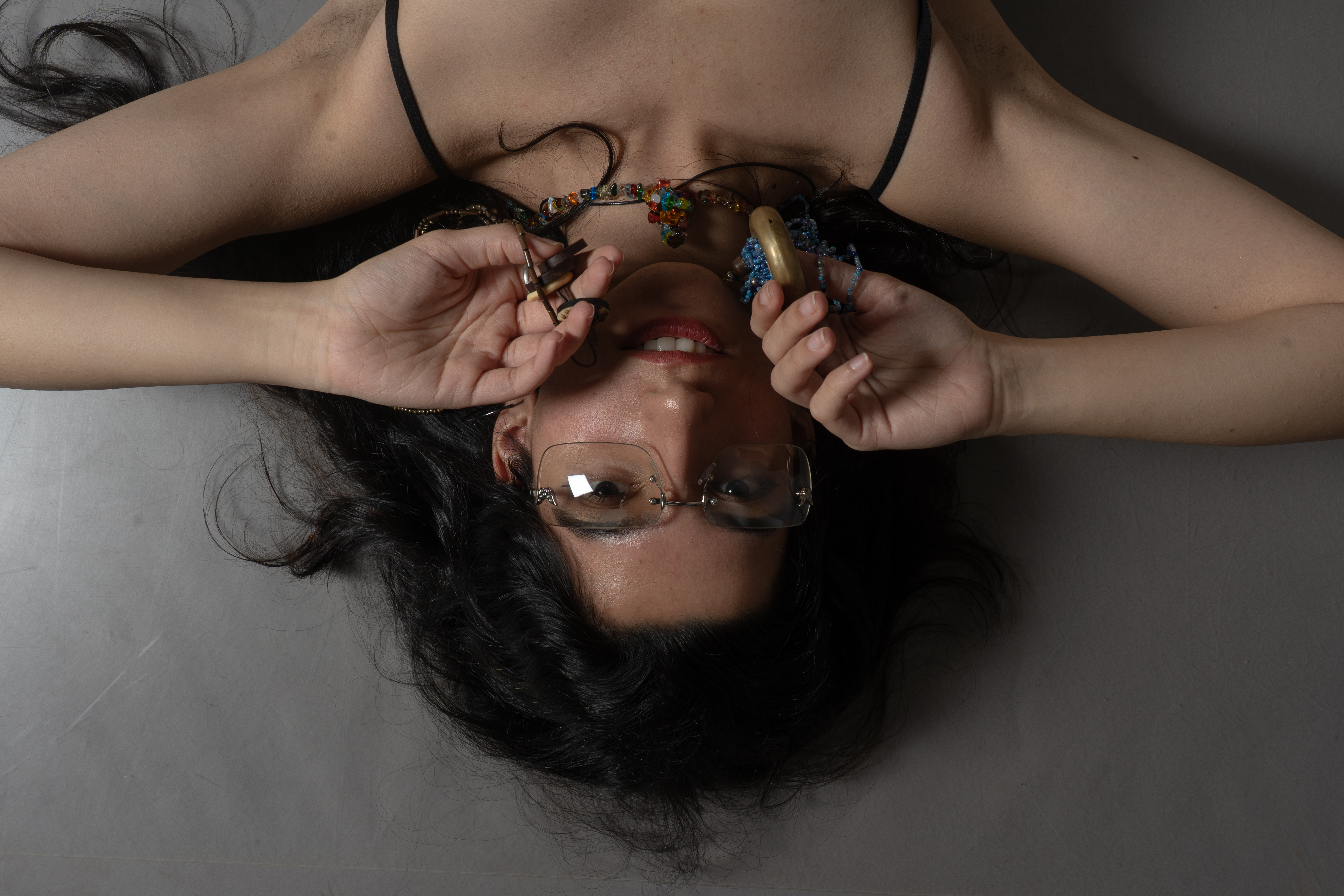
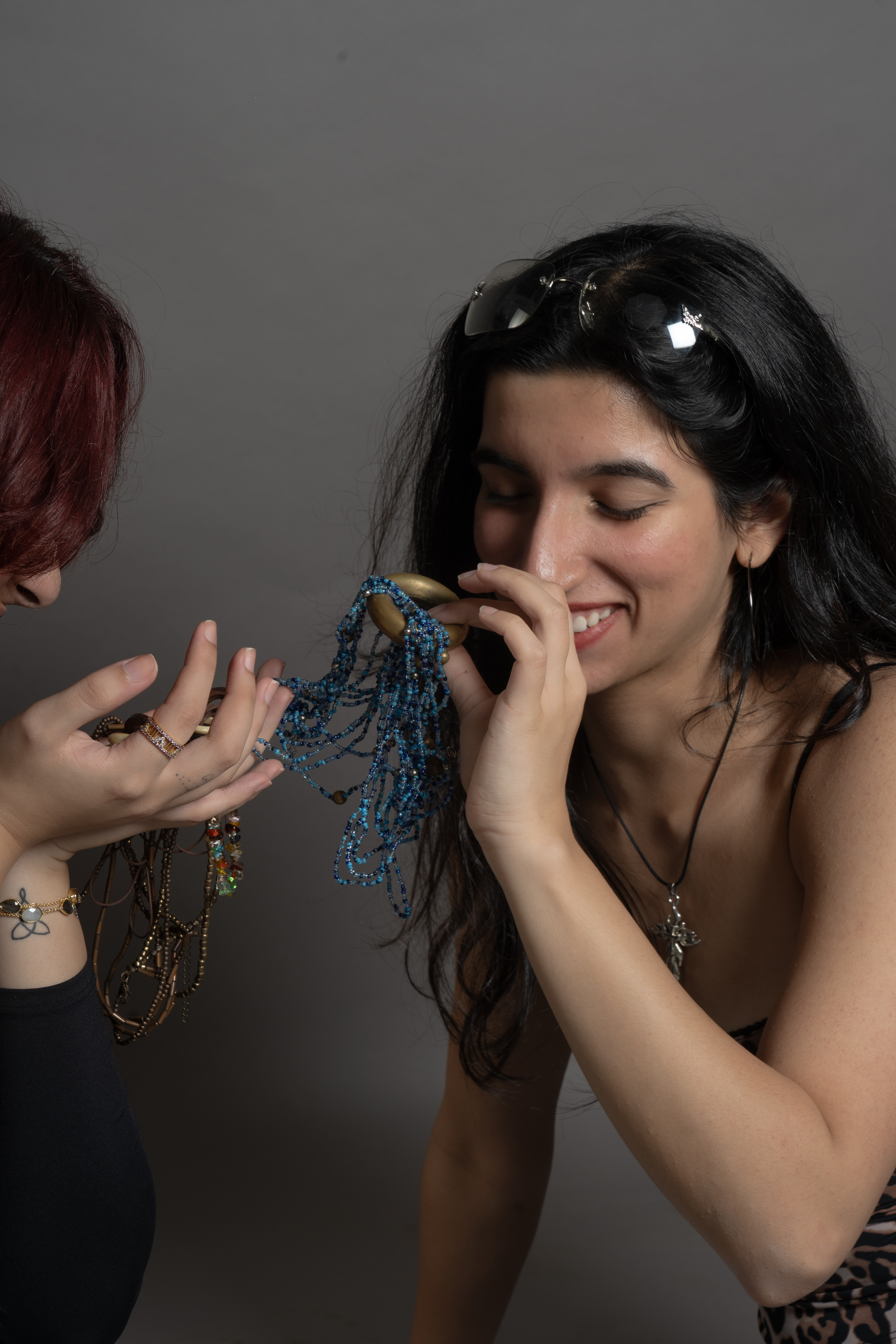
There was a time when Indian women were expected to collect gold like Pokémon cards. Every wedding, birthday, and festival? Another necklace. Another pair of earrings. Another “someday this will be yours” moment. Precious jewellery had been treated like an unspoken rite of passage, stored, locked up, and mostly admired on special occasions.
Lately, a quiet shift is happening in this space, and jewellery boxes are coming out, not for the family’s investment portfolio, but for the outfit of the day. And gold? She isn’t being cancelled, but only being pulled back. Behold waist chains, layered necklaces, dainty rings, chunky bangles, and dopamine-laced chaos from Instagram stores run out of some 20-year-old’s room. A whole vibe was being curated. Tradition had its place, but self-expression? That is being given center stage.
According to an article in Times of India, published December 2024, Indian women hold a staggering 24,000 tons of gold, which is far more than any country’s gold holdings individually. The quantity is growing with each passing year, primarily because of the traditional value that gold holds in India.
Shashwat Prajjwal, 27, a software engineer at Intuit, Mountain View, California, thinks that it comes from the Indian mindset of saving as much as you can. Since the new gen Indian has more disposable wealth and more worldly exposure, they are choosing to bend the outstanding rules.


Gold may still be seen as timeless, but lately, its grip has been loosening. Brass and silver have quietly stepped in, bringing a raw, grounded charm that feels more connected and current. Where gold once symbolized tradition and wealth, these new favourites speak to individuality and everyday ease. The shine hasn’t been lost,it’s just being worn differently. Brands like Aulerth and Bhavya Ramesh are propagating into this space, doing semi-precious jewellery with morality.
Established in 2018, Bhavya Ramesh is dedicated to the artistry of traditional jewelry making. She prioritises the human touch, supporting local artisans who craft each piece with meticulous attention to detail, ensuring that their jewellery is not only desirable, but also meant to be cherished and passed down through generations.
Niangnunmoii, 23, based in Delhi, is an MBA student at MRIIRS (Manav Rachna International Institute of Research and Studies), Faridabad, holds strong opinions on changing times. She shares, “I just wear whatever suits the aesthetic, because why should fashion be restricted to the privileged only.”


Niang mostly sources her jewellery from Janpath, Delhi or online small businesses. The Tibetan market, more specifically Lama Art House is her one stop shop for brass and other trendy anti tarnish jewellery. Here the pieces mostly range anywhere from Rs 50 for chunky bangles and brass wire rings to Rs 1300 for more complex necklaces and bracelets. The youth is making it easy for every individual from any economic background to express themselves through the drip.
Aulerth by Vivek Ramabardhan highlights how traditional jewellery, especially gold, has a massive environmental impact, contributing heavily to carbon emissions, toxic waste, and ecological damage. With gold mining alone responsible for 95% of the industry’s carbon footprint, the need for sustainable alternatives is more urgent than ever according to their website (https://aulerth.in/).
 youfoundus