
GREEN OR SEEN?
Fast fashion dominates because ethical choices remain expensive. Until
eco-friendly brands match it’s accessibility, budget concerns will always
come before such actions.
By Ishita Katoch
Every brand these days claims to be ‘saving the planet’ but do they actually mean it? With environmentally friendly campaigns everywhere, it’s difficult to tell if companies truly care about the environment. So, do consumers genuinely care about climate, or is it just a trend? While some people make an effort to shop responsibly, for many, affordability remains a major concern.
Tanya Verma, 20, a Bachelor of Business Administration student at Jagannath International Management School, New Delhi, has a strong opinion. “I really want to shop from brands that are good for the planet, but let’s be honest, a student like me can’t buy from most earth friendly labels. Spending Rs 2500 on one dress from brands like Doodlage or The Summer House for around Rs 1500 doesn’t make sense for me when I can buy three or four outfits for the same rate from Urbanic, Savana or New me.”
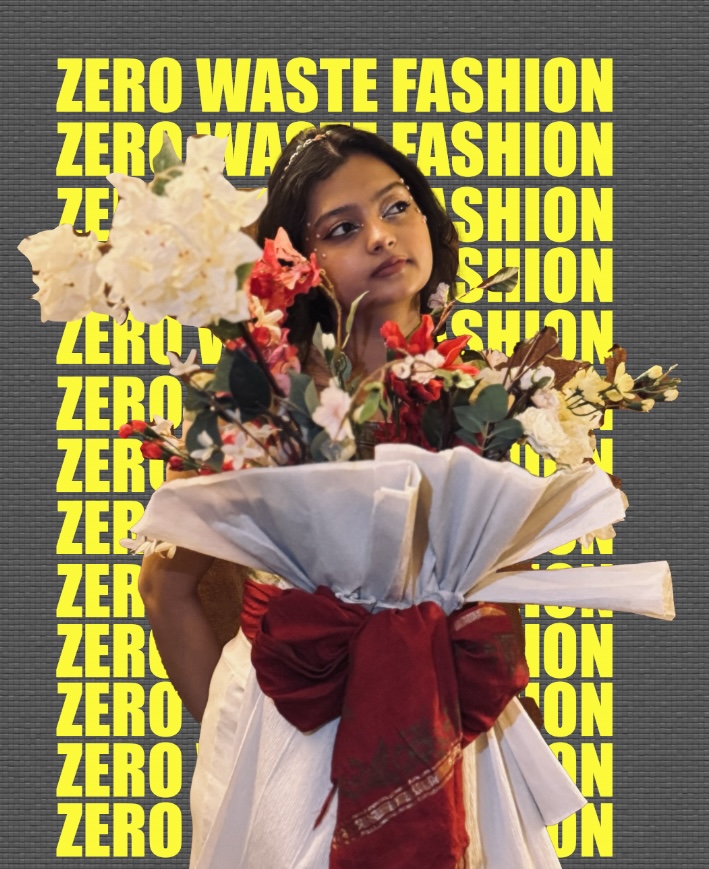
She has to put her budget first, even though she wants to make better decisions. She feels she has no real choice, even though she is aware that mass production damages the environment. Like many others, she will continue to choose what is low cost over, what is ideal until it becomes more reasonably priced.
This isn’t just one person’s dilemma. Although price frequently becomes a barrier, many people wish to be mindful of their shopping habits. Financial limitations force some people to settle for less expensive options, but others are prepared to spend more money on fewer, but better pieces.
Natasha Khurana, 28, a textile designer at Satya Paul, explains, “I used to shop at trendy fast-fashion brands without a second thought since they were chic and easily available. Whenever there was a sale, I rushed to buy more clothes without questioning why they were so cheap. But when I learned about pollution, and the unfair wages paid to workers, I felt guilty. That’s when I decided to change. Now, I prefer to buy fewer but well-made clothes from Indian brands like Nicobar, Virgio and No Nasties. An outfit now costs me Rs 3500 instead of Rs 800, but at least I know my money is supporting something better.”
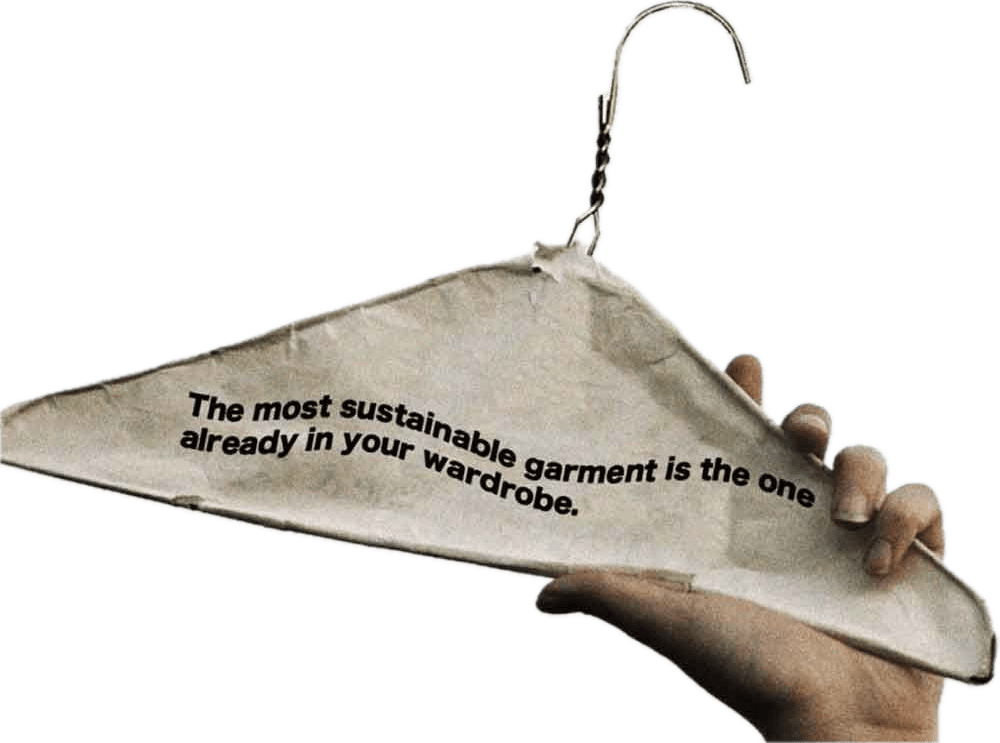
While the price barrier remains, green fashion doesn’t have to be out of reach. Thrift shopping and supporting local green brands offer budget friendly alternatives. Rather than buying new outfits for every occasion, re wearing or restyling your clothes in creative ways to keep your wardrobe fresh or by focusing on quality over quantity, and choosing longevity, you can adopt a more healthy lifestyle.
But the reality is, most people prioritize low cost over sustainability, not because they don’t care, but because careful fashion remains a privilege. Can eco-conscious choices ever become truly approachable, or will saving the planet always come at a cost?
 youfoundus