
BEAUTY HACKS: A TREND OR TRAP?
From Adivasi hair oil’s wild growth claims to bullet coffee’s fat-burning hype, and hair training’s greasy gamble, do these viral trends really work? Experts and users spill the truth.
Ceirra Whig
From Adivasi Hair Oil ranging from Rs 599-2,099 (made by various brands like Atom Wellness, Avimee Herbal, Promising Rapunzel-like locks to Bullet Coffee claiming to
boost metabolism, and even the idea of training your hair to be less greasy, viral beauty hacks flood our feeds daily. Celebrities like Sonu Sood,Bharti Singh,RJ Naved swear by them, users post dramatic before-and-after photos, and suddenly, everyone’s rushing to try them. But do these trends actually work, or are they just another case of social media exaggeration?
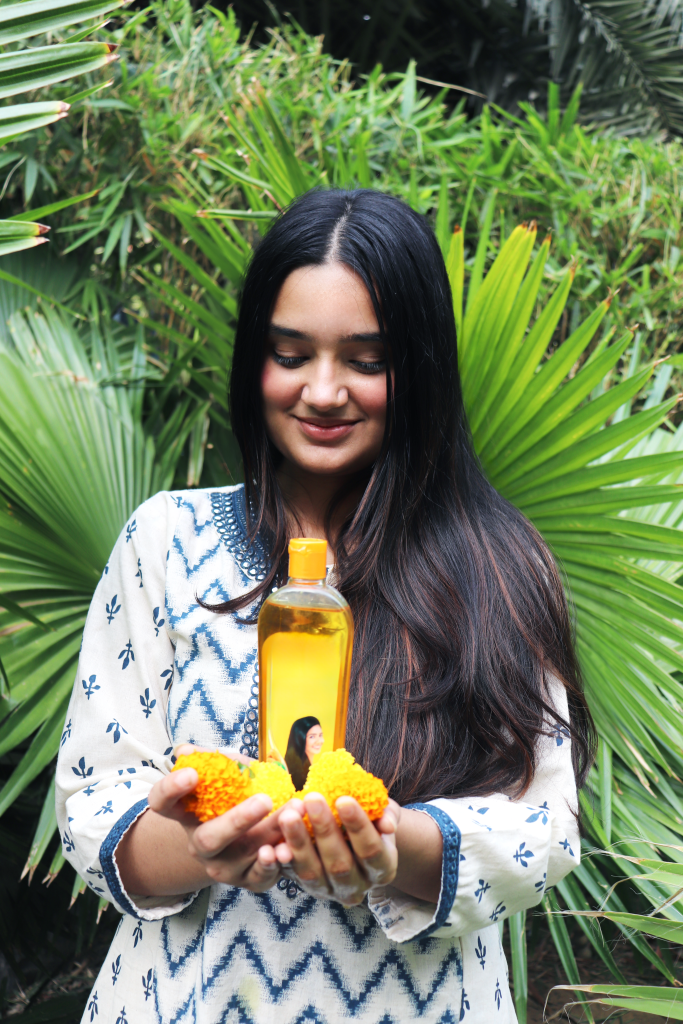
In frame: Ananya Chawla ; Photography: Ceirra Whig ; Styling: Ceirra Whig ; Hair & Makeup: Ceirra Whig ; Location : Pearl Academy
This natural oil has become a viral sensation, often with little transparency about the ingredients. Marketed as a powerful remedy for hair loss and hair growth, it is said to contain a mix of traditional herbs and natural oils like bhringraj, amla, hibiscus, brahmi, and various essential oils like castor, coconut, and almond oil. However, dermatologists warn that without proper clinical studies, these claims remain unverified.
A 2024 survey “The Influence of Viral Trends on Wellness Choices in Urban India” conducted by Mumbai-based research firm HealthScope found that 63% of Indians try at least one viral beauty or wellness trend every six months, but only 22% report long-term benefits. The findings, released in February 2024, underscore the strong impact of social media on personal care routines, even when the effectiveness of such trends is uncertain.
Ananya Iyer, a 24-year-old marketing executive from Mumbai, started using herbal oil after seeing countless Instagram reels. She was overwhelmed by the number of
stores claiming to sell the “original” version, with over a hundred different brands marketing their own herbal blend. “Every store says their oil is the real one, but who even knows which one actually works?” she questioned. Adding to the confusion, various celebrities have endorsed different versions. Farah Khan promoted one brand, while Jannat Zubair supported another. Despite the hype, Ananya noticed only a slight reduction in hair fall but saw no dramatic improvement in hair growth. She also found the oil’s strong smell overwhelming and wasn’t sure if it was worth continuing.
A blend of black coffee with ghee or butter, is popular among fitness enthusiasts like Anushka Sharma, Alia Bhatt and those following keto diets. The drink is said to
boost metabolism, provide sustained energy, and even aid in weight loss. Supporters claim that the combination o caffeine and healthy fats keeps them full for longer and helps in burning fat.
However, nutritionists argue that while Bullet Coffee can serve as a good energy source, it does not directly lead to weight loss unless paired with an overall calorie deficit and a healthy lifestyle. Some experts also caution that consuming too much saturated fat through ghee or butter may have negative long-term effects on heart health. Rohan Mehta, a gym instructor at 21 Fitness in Delhi, has been drinking bullet coffee every morning before work. He admits that it gives him an energy boost but doesn’t think it has helped with weight loss. While he enjoys it as a
pre-workout drink, he believes a proper diet and exercise routine are more effective for fitness.
The idea is that by washing your hair less frequently, the scalp will gradually adjust and produce less oil over time. Many influencers and beauty bloggers like Sejal Kumar (@sejalkumar1195), Malvika Sitlani (@malvikasitlaniofficial), Shreya Jain (@shreyajain26) claim that after an initial adjustment period, often described as a greasy nightmare, the scalp balances itself out, leading to healthier, shinier hair that requires fewer washes.
Dermatologists note that oil production is driven by genetics, hormones, and scalp health. While fewer washes help some regulate oil, others may experience buildup or dandruff.
Sanya Kapoor, a 22-year-old BBA student at Delhi University, experimented with hair training by reducing her hair washes from every day to twice a week. The first few weeks were a struggle, as her scalp felt greasy, but over time, she noticed her hair becoming less oily. She isn’t sure if it’s a real change or just psychological, but she plans to continue.
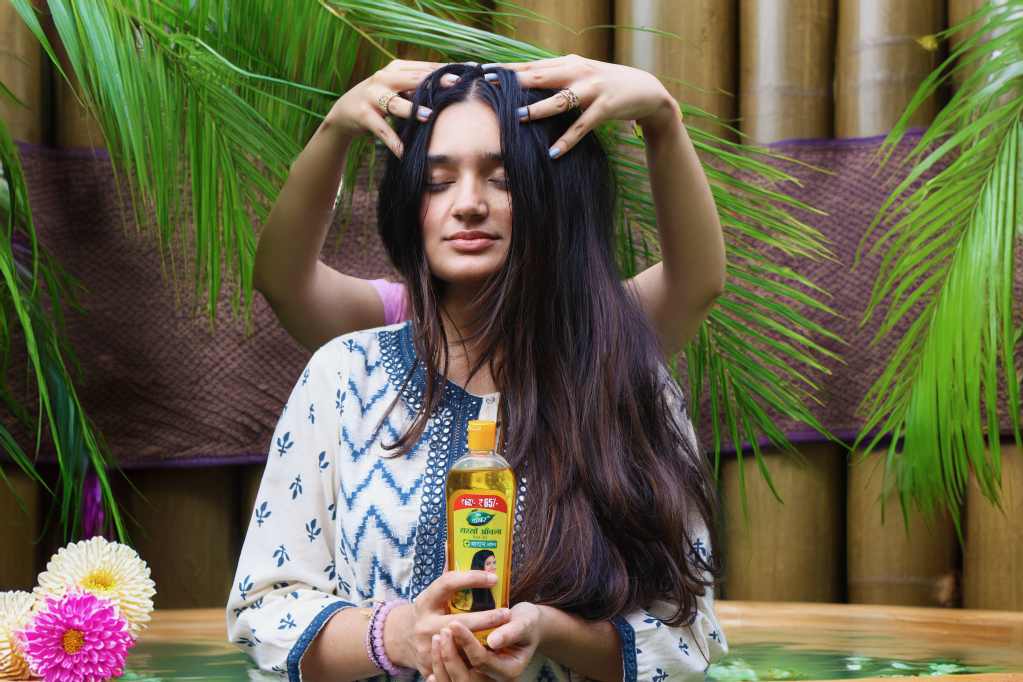
In frame: Ananya Chawla ; Photography: Ceirra Whig ; Styling: Ceirra Whig ; Hair & Makeup: Ceirra Whig ; Location : Pearl Academy
A 2024 survey “The Influence of Viral Trends on Wellness Choices in Urban India” conducted by Anika Mehra, a research Analyst at HealthScope Mumbai-based research firm HealthScope found that 63% of Indians try at least one viral beauty or wellness trend every six months, but only 22% report long-term benefits. The findings, released in February 2024, underscore the strong impact of social
media on personal care routines, even when the effectiveness of such trends is uncertain.
While some viral beauty trends might work, many are overhyped. Dermatologists warn that blindly trying products without knowing their effects can backfire. In some interviews conducted in 2025 featured on Youtube, Dr. Richa Malhotra from Mumbai shared cases of severe scalp reactions caused by unverified hair oils, while Dr. Aakash Verma from AIIMS recalled DIY skincare disasters leading to burns and rashes. “Just because something is trending doesn’t mean it’s safe,” he warned.
 youfoundus