
POWER DRESSING: FASHIONING POLITICS
In politics, fashion isn’t just style, it’s strategy. Leaders dress to influence, connect, and win votes, proving that image matters.
By Ceirra Whig
Power Dressing: Fashioning Politics. In politics, fashion isn’t just style, it’s strategy.
Leaders dress to influence, connect, and win votes, proving that image matters. In a world where visuals speak louder than words, fashion is no longer just about style, it is about power. Politics and fashion may seem like an unlikely pair, but in India, they are inseparable.
From the sharp, modern tailoring of leaders like Raghav Chadha crisp bandhgalas and tailored Nehru jackets to Sachin Pilot’s white kurta-pajamas paired with colorful
turbans, and Kangana Ranaut’s elegant silk sarees with statement jewellery, fashion has become a strategic tool in shaping political identities.
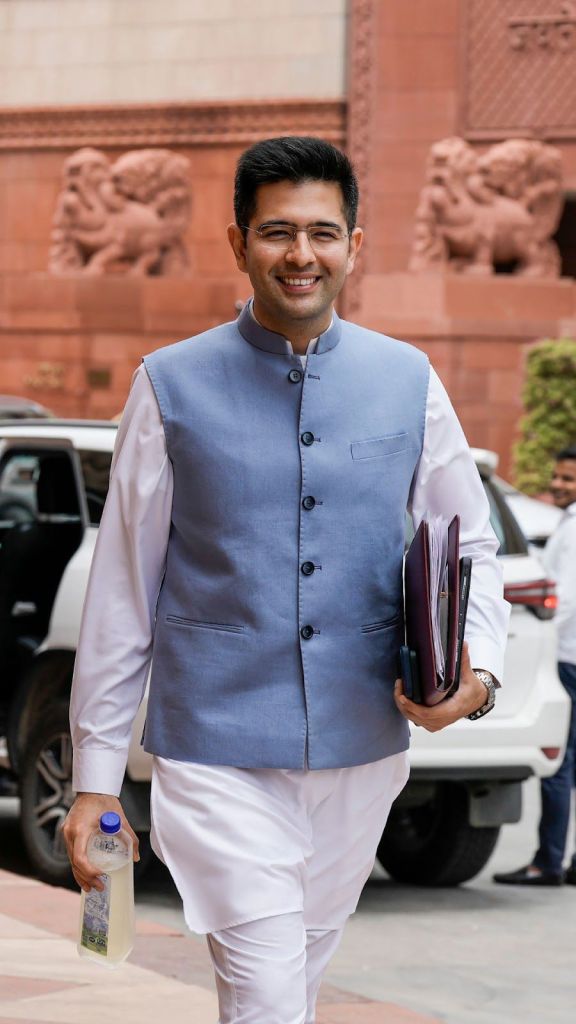
Aditi Sharma, a 21-year-old Political Science student from Delhi University, has been following Raghav Chadha’s rise in politics who is a prominent member of the Aam Aadmi Party (AAP). He currently serves as a Member of Parliament in the Rajya Sabha, she is particularly fascinated by his image. “There is something about the way he dresses, always so well put together in those Nehru jackets and crisp kurtas. It makes him look responsible, yet modern. I think that is why so many young people connect with him.” Aditi, who supports the Aam Aadmi Party (AAP).
For Rahul Verma, a 23-year-old MBA student from the Indian Institute of Management, Bangalore, it is Sachin Pilot’s effortless style that stands out. Rahul feels that Pilot looks like a leader without trying too hard. Whether he is in
a white kurta or a formal suit, he always carries an understated class. This makes him appear both approachable and serious, qualities that people admire in
a leader. Sachin Pilot is a prominent leader of the Indian National Congress (INC) and currently serves as a Member of the Rajasthan Legislative Assembly from Tonk, as well as a member of the Congress Working Committee, the principal executive body of the INC.
As a supporter of the Indian National Congress (INC), Rahul believes that young politicians like Pilot offer a modern yet respectful image of Indian leadership. His
polished appearance not only reflects his personality but also helps him connect with different sections of society. By blending tradition with a modern touch, leaders like Pilot can appeal to both older and younger voters. Rahul thinks this relatable and respectable style plays a key role in gaining public trust and securing votes.
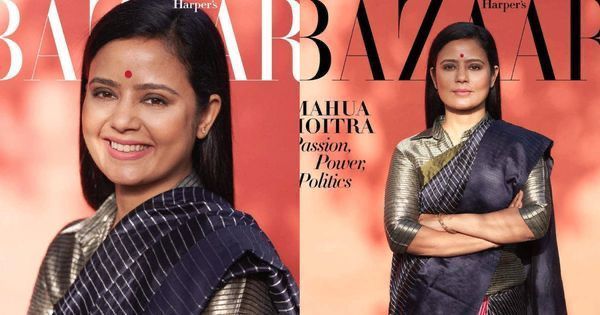
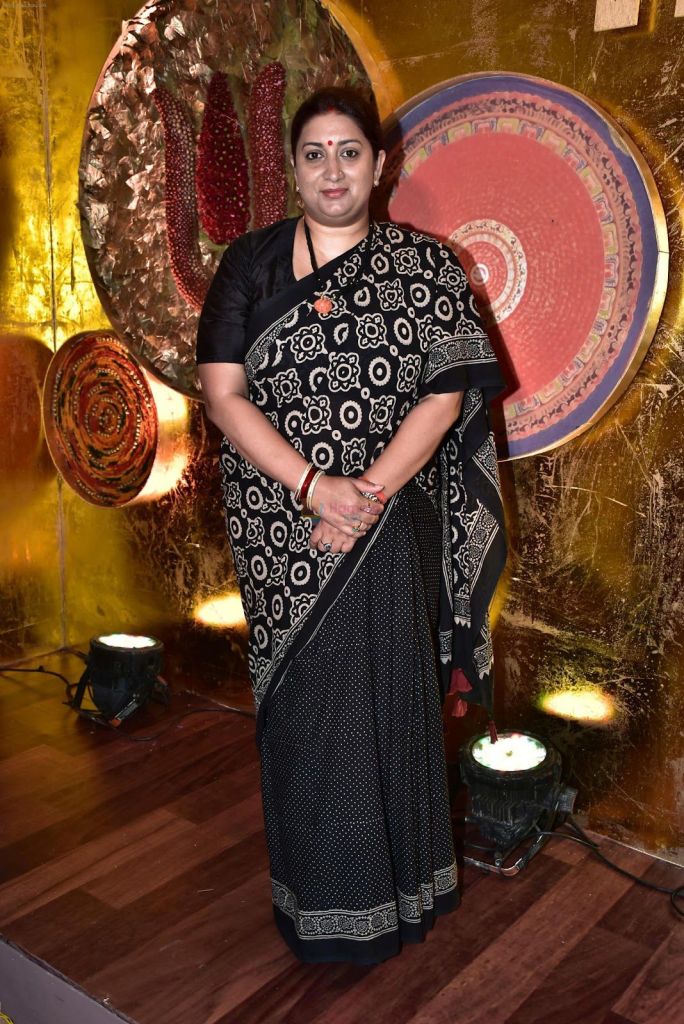
Politicians often use clothing to reflect cultural symbols, regional identities, or ideologies, helping them connect with voters. Young leaders like Mahua Moitra, a member of the All India Trinamool Congress (TMC). She serves as the Member of Parliament for the Krishnanagar constituency in West Bengal. In November 2023, she was appointed as the district president of Krishnanagar (Nadia North) organizational district. Often wear traditional sarees, symbolizing cultural pride and assertiveness. Similarly, Smriti Irani, a senior leader of the Bharatiya Janata Party (BJP) and former Union Minister,embraces handloom sarees to promote indigenous textiles and connect with grassroots communities.
On the other hand,Akhilesh Yadav, an Indian politician and the NationalPresident of the Samajwadi Party (SP). He served as the 20th Chief Minister of Uttar Pradesh.
His preference forsimple white kurtas and black jackets projects a grounded,relatable image. These fashion choices craft powerfulidentities, influencing voter perceptions and electoral outcomes.
West Bengal Chief Minister Mamata Banerjee, the founder and chairperson of the All India Trinamool Congress (AITC), a political party she established in 1998 after
separating from the Indian National Congress. Her signature look, simple white sarees with a blue border and basic Hawai chappals is a deliberate choice to reflect
austerity and relatability. This has resonated strongly with her voter base, making her stand out from other politicians who often wear more formal or extravagant attire. But not everyone sees fashion in politics as just a tool for relatability.
Priya Menon, a 22-year-old fashion design student from the National Institute of Fashion Technology, Mumbai, views it as a statement of power. “Take Kangana
Ranaut, for example, currently serving as a Member of Parliament in the Lok Sabha representing the Mandi constituency in Himachal Pradesh. She was elected in
June 2024 as a candidate of the Bharatiya Janata Party (BJP). Whether you like her politics or not, you cannot ignore her presence. When she wears a bold saree with
chunky silver jewellery, it screams defiance.”
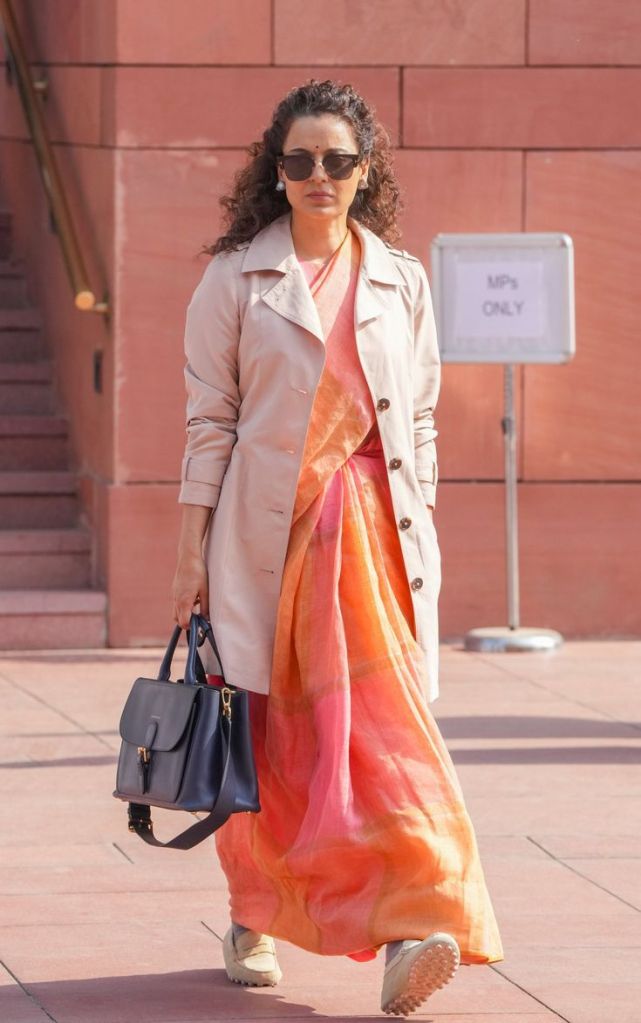
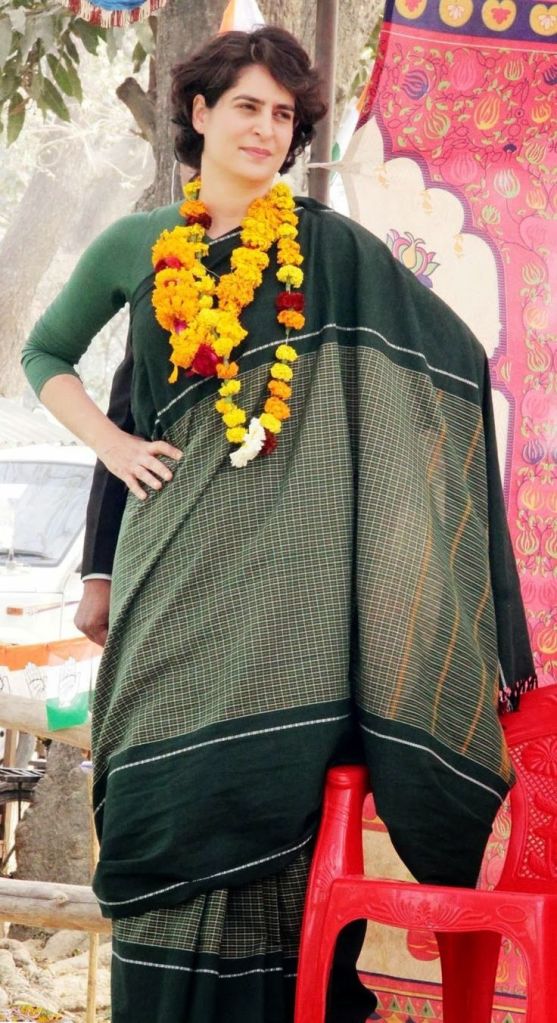
She does not actively support any political party, believes that fashion in politics is more than just optics; it is a declaration of intent, she doesn’t stick to traditional clothes alone. She’s often seen in sharp pantsuits, elegant dresses, and stylish blazers from luxury brands like Gucci, Chanel, and Dior.
However, not everyone is fully convinced by the power of political fashion. Meera Joshi, a 20-year-old sociology student from Jawaharlal Nehru University, finds it more performative than genuine. “I get why politicians dress a certain way it is all marketing. But at the end of the day, is it really them, or just an image their PR teams create? I would rather focus on what they do than what they wear.”
Meera, who supports regional parties like Trinamool Congress (TMC), and Dravida Munnetra Kazhagam (DMK), believes that while fashion might play a role in how
leaders are perceived, it should never overshadow their actions.
Many have faced criticism for their sartorial decisions. Prime Minister Narendra Modi, for instance, faced backlash when he wore a pinstriped suit with his name repeatedly embroidered into the fabric during a meeting with Barack Obama, who is a member of the Democratic Party. He served as the 44th President of the United States.
The suit was widely criticized as a display of vanity, conflicting with his otherwise modest image. Similarly, Indian National Congress leader Rahul Gandhi has often
been scrutinized for his inconsistent fashion sense, with observers noting that his attire sometimes lacks the polish expected of a national leader.
Poonam Gupta has been appointed as the Deputy Governor of the Reserve Bank of India (RBI) for a three-year term, Prior to this role, Gupta served as the
Director General of the National Council of Applied Economic Research (NCAER), India’s largest economic policy think tank. She is also a member of the Economic
Advisory Council to the Prime Minister and convener of the Advisory Council to the 16th Finance Commission. Her fashion sense can be described as elegant,
understated, and appropriate for her high-profile role in policy and finance. She typically opts for classic Indian formalwear like well-draped sarees in muted tones or minimal patterns. Paired with minimal accessories, reflecting both authority and cultural grounding.Her style doesn’t chase trends, it communicates intellect,
composure, and quiet confidence.
On the other hand, Delhi Ex-Chief Minister Arvind Kejriwal is known for his simple and practical clothing, typically seen in casual sweaters and sandals. While this
emphasizes his everyman persona, critics argue that it can appear too informal for official settings. His signature muffler, often worn during protests and dharnas, became a symbol of his grassroots activism, helping him connect with the common man. However, it also led to ridicule, with opponents mocking him as the “Mufflerman.” Rather than shy away, Kejriwal embraced the image, turning the muffler into a powerful political tool that reinforced his outsider, anti-establishment appeal.
The BJP has even taken Kejriwal’s fashion choices a step further by using a lookalike to mock him. This impersonator, dressed in Kejriwal’s trademark sweater,
muffler, and sandals, is often seen at rallies making fun of him. Through jokes and exaggerated speeches, they try to turn his simple style into something laughable. However, Kejriwal has not backed down.
 youfoundus